Liverpool FC’s Transfer Market Strategy in Today’s Football Landscape
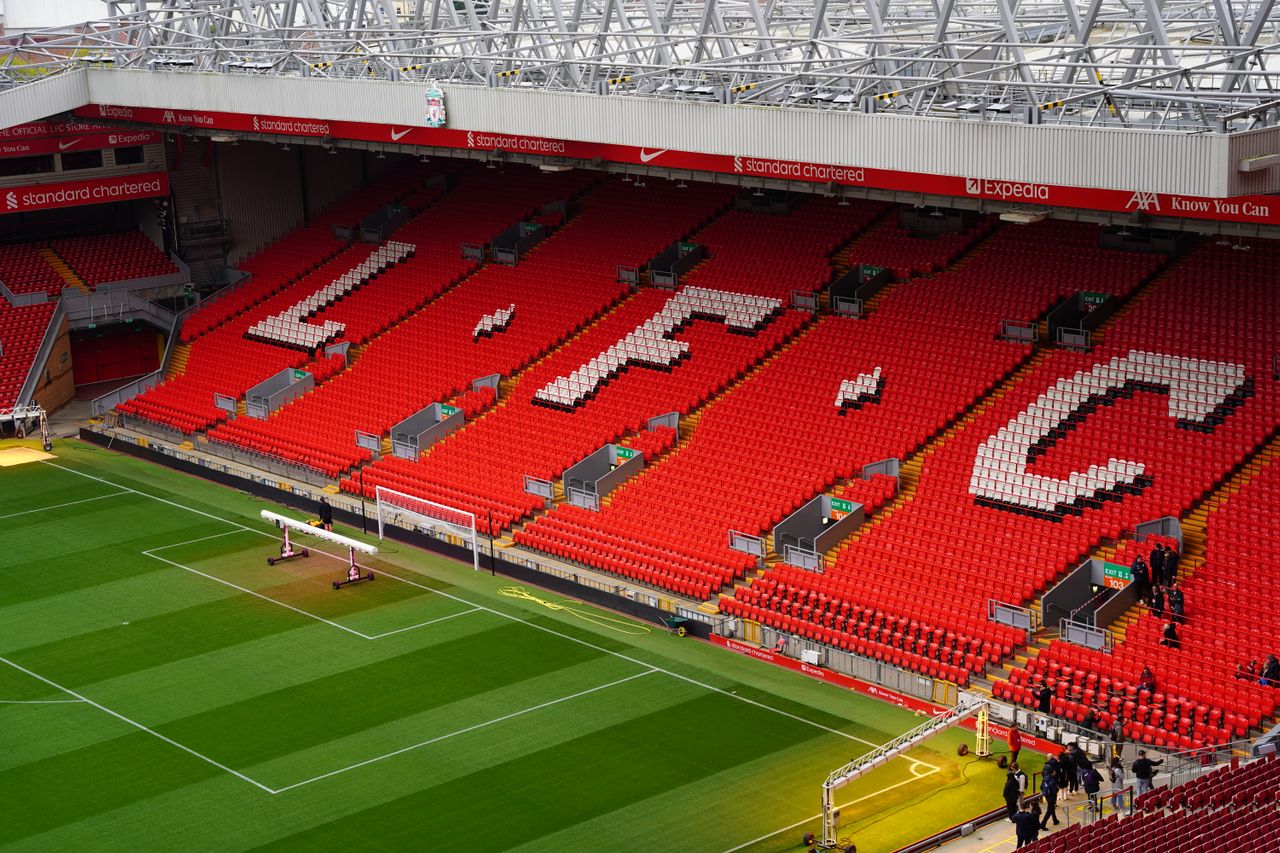
Liverpool’s approach to signings is under close analysis as rapid squad cycles and intense competition define the current football environment. Their recruitment process aims to balance immediate needs with long-term planning, supporting sustainable success. This article examines the principles, challenges, and measures of success that shape the club’s strategy in the modern transfer market.
Recruitment decisions for top clubs are increasingly complex, as evolving team priorities and changing market dynamics make each signing significant. As expectations rise, speculation over potential transfers is amplified by constant news updates. Clubs now approach squad planning as a precise science, where positional gaps, financial sustainability, and future development must be considered together. For supporters following these moves as closely as some track horse racing odds, the detail and organisation behind transfer policy often reveals as much about club strategy as the transactions themselves.
How modern pressures influence recruitment strategy
The transfer market now operates at a pace that rarely allows extended deliberation, forcing teams to identify needs well in advance. Shortened squad cycles and player turnover make long-term continuity a challenge, which is why effective succession planning carries extra importance for competitive clubs.
You might notice that clubs rely on comprehensive data to pinpoint the precise profiles needed, focusing on age, versatility, and readiness for the league’s physical demands. This thorough approach steers them away from short-term fixes and instead prioritises signings who fit both immediate requirements and future pathways.
Core principles guiding transfer decisions and policies
Long-term planning sits at the heart of transfer policy, with each addition viewed in the context of the squad’s age profile, contract situation, and tactical needs. By balancing experienced players and emerging talents, recruitment teams try to maintain a blend that offers stability without limiting room for growth.
Value discipline remains a constant consideration, ensuring spending aligns with internal budgets and the unpredictability of the market. Profile-based signings are prioritised, so you rarely see a move made unless the player’s skill set and mentality match specific roles identified by the club. These principles help clubs avoid overpaying for short-term solutions.
Timing, market competition, and risk management in signings
Deciding when to act can dictate the difference between a smooth integration and an urgent scramble. Early-window recruitment is preferred, as these moves offer a greater chance for pre-season adaptation and team cohesion. However, late market twists can present unexpected opportunities or drive fees higher, particularly when multiple clubs target similar profiles.
Clubs routinely evaluate not only a player’s talent but medical history, adaptability to league intensity, and fit within existing tactics. Even with advanced analysis, uncertainty remains part of every transfer, demonstrating why depth of planning and due diligence can prove decisive. Early window movement often reflects confidence in risk assessment, while late deals may carry additional variables that must be carefully considered.
Blending analytics, live scouting, and public perception
Successful recruitment increasingly combines data analysis with live scouting and contextual assessment of how a player performs under pressure and against varied opponents. Analytics provide insights into likely adaptation, but live observation remains pivotal for gauging mentality, resilience, and tactical awareness. This blend assists in projecting whether additions contribute positively over a sustained period.
Media reports and online discussions influence how fans interpret rumoured targets and reported fees, although internal benchmarks differ greatly from public debate. Supporters engage closely with coverage throughout the window but often judge moves by standout headlines rather than the nuanced distribution of minutes or squad cohesion. For clubs, the true mark of a successful window may not be instant impact, but rather the enduring balance and adaptability of the squad across the campaign.





 Almere City
 Athletic Club
 Bayer 04 Leverkusen
 Bordeaux
 Anderlecht
 Formula 1 News
Lfc-news.com
Visit Lfc-news.com for your daily news, standings, statistics and more about Liverpool from Liverpool. Stay up to date with the latest Liverpool transfers and view the live scores during Liverpool games.