Bezos at Anfield? Why Liverpool’s Potential New Investor Could Change the Game
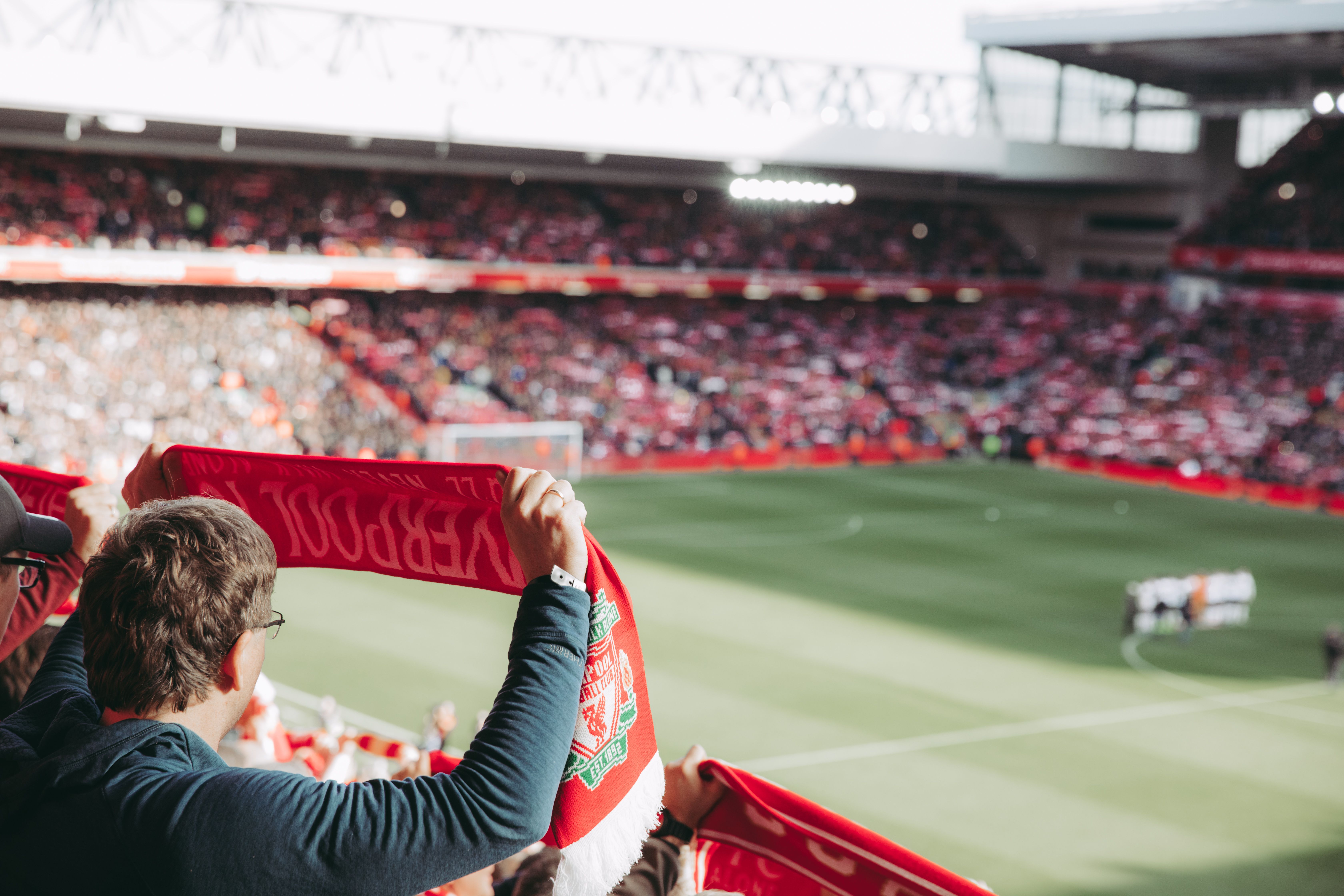
A New Billionaire Link to Liverpool
Jeff Bezos is no stranger to building global empires. Now, the Amazon founder is reportedly part of a consortium exploring a major minority investment in Liverpool FC, one of the most famous soccer clubs in the world.
The potential deal would not make Bezos the outright owner of Liverpool. Instead, he would reportedly be part of an investor group looking to buy a significant minority stake from Fenway Sports Group, the American ownership group that has controlled the club since 2010.
For Liverpool fans, the news raises an obvious question: what would Bezos actually bring to Anfield?
From NFL Interest to Premier League Power
Bezos has been linked with sports ownership before, most notably through possible interest in NFL franchises such as the Washington Commanders and Seattle Seahawks. That background matters because NFL teams have become some of the most valuable sports assets in the world, with huge media deals, loyal fan bases, and year-round commercial power.
For investors watching football from both sides of the Atlantic, this online sports book, often shows how deeply the league sits at the center of U.S. sports culture, fan engagement, and betting-driven conversation. That ecosystem helps explain why elite sports assets appeal to billionaires: they combine media, data, fandom, advertising, and global brand value.
Liverpool offers a different but equally powerful proposition. It has history, worldwide support, Premier League exposure, Champions League prestige, and one of the most emotionally invested fan bases in sports.
Why Liverpool Is So Attractive
Liverpool is not just a soccer club. It is a global entertainment brand with deep cultural meaning. The club’s anthem, European nights, historic stadium, iconic players, and international following make it one of the most recognizable names in world sport.
From a business perspective, Liverpool has also grown dramatically under FSG. The club has expanded Anfield, improved commercial operations, returned to the top of English and European soccer, and become far more valuable than when FSG bought it.
That growth is exactly what makes a minority stake appealing. Investors are not simply buying into match results. They are buying into media rights, sponsorship potential, merchandise, global tours, digital content, and the long-term scarcity of elite soccer clubs.
What Bezos Could Bring
Bezos’ involvement would be fascinating because his expertise sits far beyond traditional sports ownership. Amazon transformed retail, logistics, cloud computing, entertainment, and streaming. If Bezos became part of Liverpool’s investor base, the biggest impact might not be transfer spending. It could be commercial strategy.
Liverpool could benefit from fresh thinking around global fan engagement, direct-to-consumer content, technology, retail, e-commerce, and international brand partnerships. A club with hundreds of millions of global followers still has enormous room to deepen digital relationships with fans.
That said, supporters should not expect Bezos to arrive like a fantasy transfer-market cheat code. A minority stake does not automatically mean unlimited spending on players. Premier League financial rules, club strategy, and FSG’s continued control would still shape decisions.
Why Fans May Be Cautious
Liverpool fans have reason to be careful. The club’s identity matters deeply, and any new investor would be judged not only by wealth but by intent.
Supporters will want to know whether a Bezos-linked investment would preserve Liverpool’s traditions or push the club further toward commercialization. Ticket prices, stadium experience, streaming access, sponsorship priorities, and matchday culture would all come under scrutiny.
Liverpool is valuable because of its supporters, not despite them. Any investor who forgets that would face resistance quickly.
What It Means for FSG
For Fenway Sports Group, selling a minority stake would make strategic sense. It allows FSG to realize some of the massive value growth Liverpool has achieved while still retaining control. It could also strengthen the club’s financial position at a time when elite soccer is becoming more expensive and more competitive.
The Premier League is now a battlefield of state-backed clubs, private equity money, American ownership groups, and global billionaires. Fresh capital can help Liverpool keep pace, but only if it supports a clear football strategy.
A Sign of Soccer’s New Investment Era
The Bezos link also reflects a wider trend. Top soccer clubs are increasingly viewed like rare global assets. They are not just teams; they are media platforms, lifestyle brands, tourism drivers, and content engines.
For billionaires, that combination is hard to ignore. There are only so many clubs with Liverpool’s history, audience, and commercial ceiling. When one becomes available, even partially, the world’s richest investors pay attention.
Jeff Bezos potentially taking a stake in Liverpool would be one of the most eye-catching sports investment stories of the year. It would not necessarily transform the club overnight, but it could signal a new commercial chapter at Anfield.
The biggest question is not whether Bezos has the money. He clearly does. The real question is whether any new investment would protect what makes Liverpool special while helping the club compete in soccer’s increasingly expensive global economy.
For Liverpool, the right partner could be powerful. The wrong one could be disruptive. At Anfield, that distinction matters more than the size of any fortune.



 Almere City
 Athletic Club
 Bayer 04 Leverkusen
 Bordeaux
 Anderlecht
 Formula 1 News
Lfc-news.com
Visit Lfc-news.com for your daily news, standings, statistics and more about Liverpool from Liverpool. Stay up to date with the latest Liverpool transfers and view the live scores during Liverpool games.